Getting the Most Out of Weight Loss Medications: Small Changes, Big Impact

Weight loss medications like Ozempic, Wegovy, and Mounjaro have changed the game for many people struggling with weight loss. They help curb appetite, regulate blood sugar, and make it easier to eat less without feeling like you’re constantly battling hunger. But here’s the thing—medication alone won’t magically transform your health. If you truly want lasting results, the way you live your day-to-day life matters just as much as the number on the scale.

Losing weight is about more than just what you eat. It’s about how you move, how well you sleep, how you manage stress, and the small habits that shape your daily routine. When these factors are aligned with your weight loss goals, you’ll see better results—not just in the short term, but for the long haul.

Move More, But Make It Enjoyable
You don’t need a hardcore workout routine to lose weight, and honestly, forcing yourself into a fitness regimen you hate isn’t going to stick. The good news? Even small amounts of movement throughout the day add up. Walking a little more, stretching while watching TV, standing instead of sitting—these tiny shifts can make a difference over time.

Of course, if you enjoy structured workouts, that’s great too! Strength training helps preserve muscle while burning fat, and activities like yoga or pilates improve flexibility and balance. The key is to find movement that feels good to you. If lifting weights at the gym isn’t your thing, maybe a dance class or a weekend hike is. Whatever it is, consistency is what counts—not perfection.

Sleep: The Secret Weapon for Weight Loss
Most people underestimate how much sleep affects weight loss. If you’re constantly running on empty, your body is going to fight you every step of the way. Lack of sleep messes with your hunger hormones, making cravings stronger and willpower weaker. Ever noticed how after a bad night’s sleep, you just want carbs, caffeine, and sugar? That’s your body trying to compensate.

Aim for at least seven solid hours of sleep each night. That might mean setting a bedtime routine, cutting off caffeine in the afternoon, or keeping your phone out of reach when you go to bed. Even small changes, like dimming the lights an hour before sleep, can help improve sleep quality.

Stress Less, Lose More
Let’s be real—stress isn’t going anywhere. Life is always going to throw challenges your way, but how you handle stress can make or break your weight loss progress. Chronic stress leads to high cortisol levels, which can trigger emotional eating, stubborn belly fat, and disrupted sleep—all things that make losing weight harder.

Managing stress doesn’t have to mean meditating for an hour a day (though if that works for you, great!). It can be as simple as:

Taking a few deep breaths before reacting to something stressful.
Stepping outside for fresh air when you feel overwhelmed.
Calling a friend instead of stress-eating.
Journaling for five minutes at night to clear your mind.
The more you develop healthy coping mechanisms, the less likely stress is to derail your progress.

Hot products

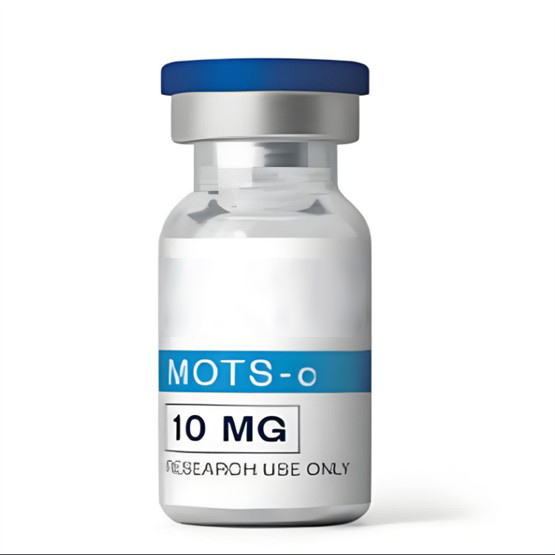
(MS10/MS40)MOTS-c

(MS10/MS40)MOTS-c

Basic Info. MOTS-c is a 16 amino acid peptide that is coded by the mitochondrial genome. The mitochondria are the “power generators” in cells that convert chemical energy from food into a form that cells can use.  Two other mitochondrial-derived peptides (MDPs) have also been discovered so far, humanin and SHLP1-6, but their possible involvement in human performance enhancement is unknown. According to new research, mitochondrial-derived peptides such as MOTS-c have a role in maintaining mitochondrial function and protecting cells under different stresses 1 .   It has been shown that exercise causes MOTS-c levels to go up in humans. Furthermore, it has been shown in mice that MOTS-c treatment improves physical performance in mice of all ages and seems to regulate skeletal muscle metabolism and gene expression. ...

snap-8

snap-8

Basic Info. SNAP-8 is an octapeptide widely used in skin care products. It can effectively reduce facial wrinkles, especially on the forehead and around the eyes. It is considered a natural alternative to Botox, which reduces wrinkles by reducing the contraction of facial muscles. It can also bind to neurotransmitter receptors on nerve cells, blocking the transmission of nerve signals, thereby reducing muscle contraction and wrinkle formation. It can also help improve the skin's barrier function, enhance the skin's resistance, prevent skin moisture loss, and maintain skin elasticity. ...

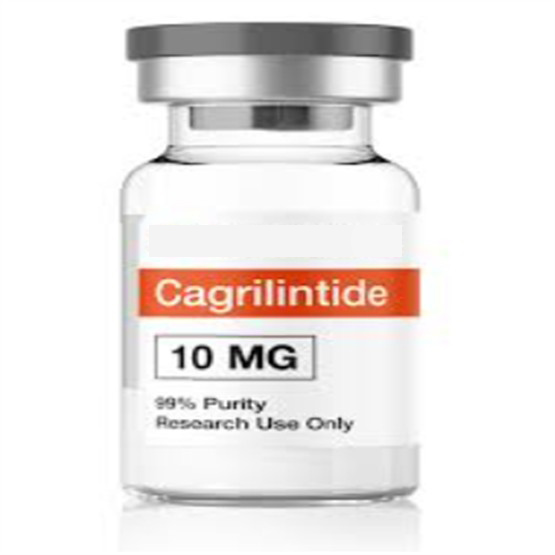
(CGL5/CGL10)Cagrilintide

(CGL5/CGL10)Cagrilintide

Basic Info. Cagrilintide, a long-acting analogue of the hormone amylin, presents a promising new approach to tackling obesity.  Unlike many weight-loss drugs that only target one mechanism, cagrilintide works on multiple fronts. It suppresses appetite by promoting feelings of fullness (satiety) and slows down gastric emptying, making people feel full for longer periods of time.  Early trials of cagrilintide have shown that it leads to significant weight loss compared to placebo and even other peptides like liraglutide, which is currently used for obesity treatment. In one study, participants taking cagrilintide lost up to 10.8% of their body weight over 26 weeks, outperforming those on liraglutide. Sustained weight loss like this can help break the cycle of yo-yo dieting. ...

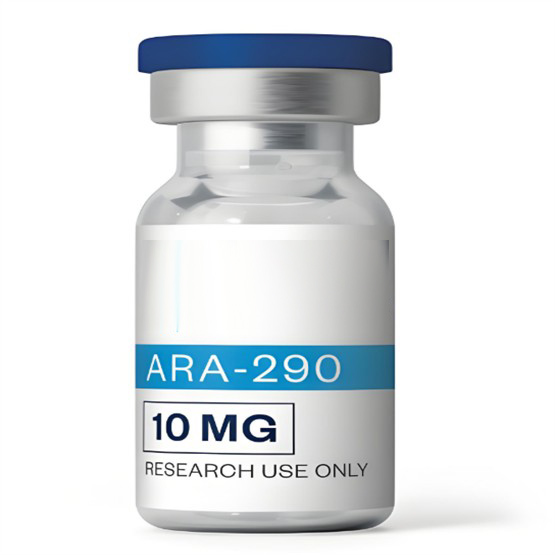
Ara-290

Ara-290

Basic Info. ARA 290, a Nonerythropoietic Peptide Engineered from Erythropoietin, Improves Metabolic Control and Neuropathic Symptoms in Patients with Type 2 Diabetes. ARA 290  has been shown to be effective in the reduction of inflammation and activation of the healing process in a wide variety of preclinical models as well as in patients.  With respect to diabetes, substantial recent work has shown that rhEPO can improve the diabetic state in animal models . However, in addition to interacting with the innate repair receptor in a paracrine/autocrine manner, EPO also functions as a circulating hormone via its interaction with the EPO receptor homodimer that mediates hematopoiesis. ...

(CBL60/C60)Cerebrolysin

(CBL60/C60)Cerebrolysin

Basic Info. Cerebrolysin, a neuropeptide preparation, has been extensively studied in rat models to evaluate its potential in treating neurological impairments. Research indicates that Cerebrolysin can significantly enhance cognitive functions and promote neuroprotection following brain injuries. It is rats subjected to mild traumatic brain injury (mTBI) were treated with Cerebrolysin. The results demonstrated notable improvements in long-term spatial learning and memory, as assessed by the Morris water maze test.  Additionally, treated rats exhibited reduced accumulation of amyloid precursor protein and decreased astrogliosis, suggesting neuroprotective effects. ...